Wuhou Shrine
We had one last morning in Chengdu before our 3PM flight to Shanghai, so I wanted to find something to do that wouldn’t take too long and, preferably, wouldn’t require us to cross the city center, so as not to end up stuck in traffic on the way back. So I settled on a visit to Jinli Street and Wuhou Shrine.
Jinli Street is yet another of these historical Chinese streets where the houses are (or look) ancient but have been emptied and transformed into souvenir shops or street food vendors. Despite the touristiness, it’s a beautiful street, and maybe because it was a Monday morning it was much less crowded than the Wide and Narrow Alleys. It also stands out among other old streets in that the stores here are themed around the Romance of the Three Kingdoms, because of Wuhou Shrine right next door.
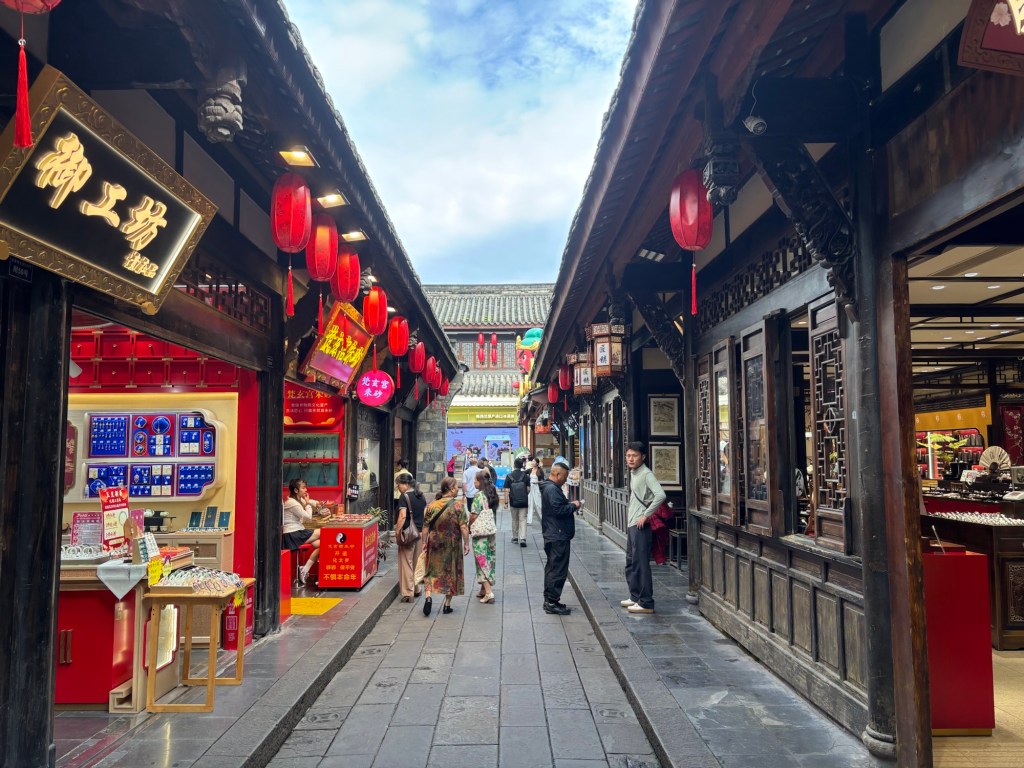
Wuhou Shrine is not a religious site, but rather a shrine built to honor the memory of three contemporary illustrious leaders and generals who excelled as administrators or warriors. Because the era of the Three Kingdoms still inspires so many books, comics, dramas, movies, and video games, historical figures from two thousand years ago have fandoms like they’re a K-pop band. There’s endless merch of Zhuge Liang or Guanyu, each depicted with their iconic attributes but stylized as fearsome fighters or C-drama soft boys, depending on your preference.
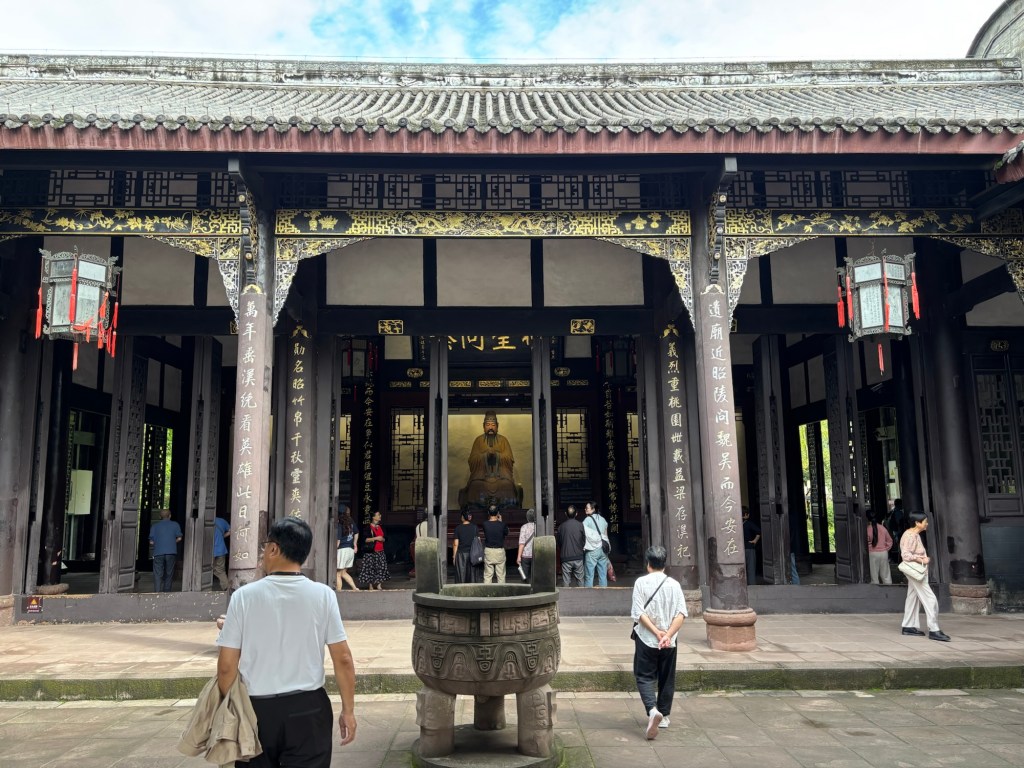
The shrine itself cost 50 yuan to enter (which feels comparatively steep) but the expense is well worth it for the beauty of the grounds it gives access to. The main shrine holds three golden statues for people to present their respects to, plus dozens upon dozens of smaller statues that I couldn’t identify.
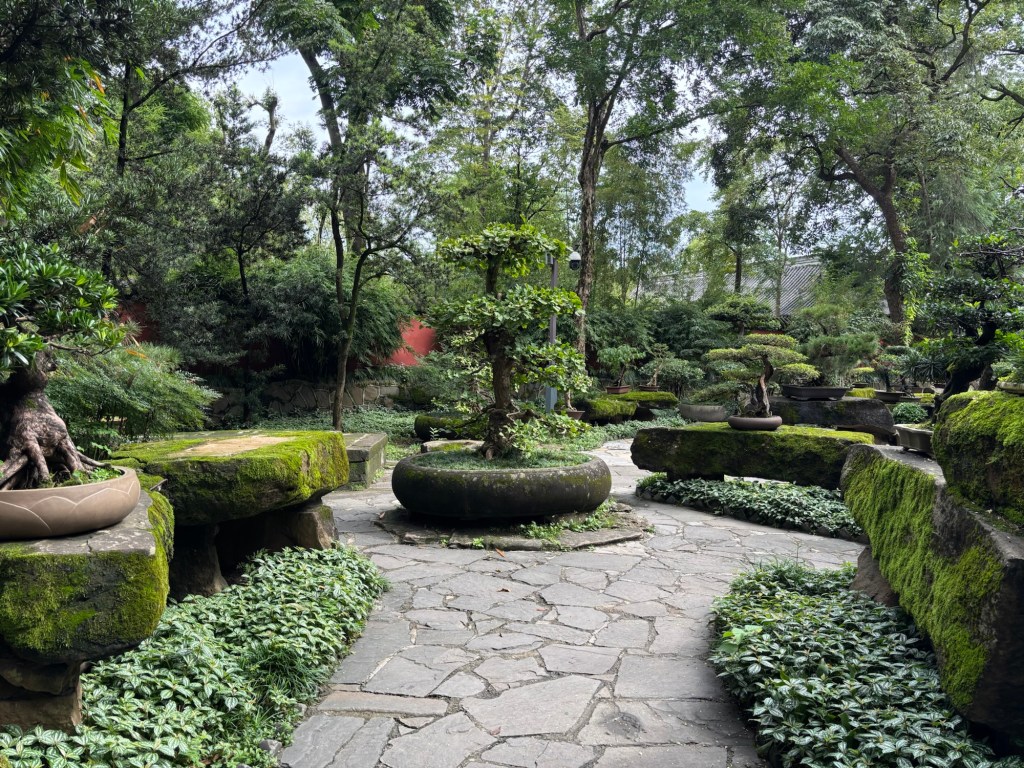
Beyond the statues, though, the best part of the visit to the shrine are the gardens, beautifully laid out around the main cluster of buildings. There are winding paths to guide your feet around ponds with koi swimming in muddied water, moon pavilions where people were taking a rest, and even a fantastic bonsai garden with lots and lots of huge (well, you know) bonsai trees everywhere. When they are all distributed together at different heights, you stop seeing the clay pots they sit in and just see the general greenness like it’s a lush garden and not a bunch of potted plants.
After a thorough walk marveling at every corner, it became time to say goodbye to Chengdu -what a varied two days we’ve had! I can’t believe in the span of just over 48 hours we have seen Sichuan opera, eaten at Michelin star restaurants, walked down the commercial avenue, visited pandas, went to an archaeological museum, and seen the sci-fi towers…
The trip to Shanghai was uneventful; Shuangliu airport is supposedly the old one in Chengdu, with a newer and bigger one built not so long ago, but it looked new enough to me (I chose this one because it’s just a 15 minute drive from our hotel as opposed to an hour like the new one). The check-in process was much like any other airport, with the difference that here they scanned our faces when going through security and then at the time of boarding instead of showing our passports we just showed our faces to a camera to allow us passage. A bit scary if you ask me!
After landing in Shanghai, we took the metro downtown. On the upside, it was a direct line to People’s Square, but it took like an hour! How big is this city?
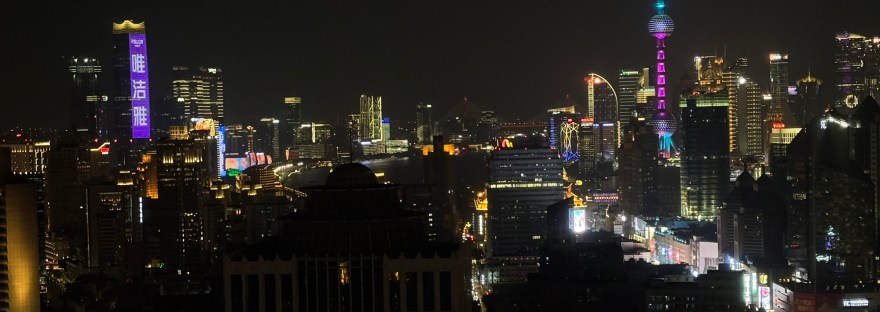
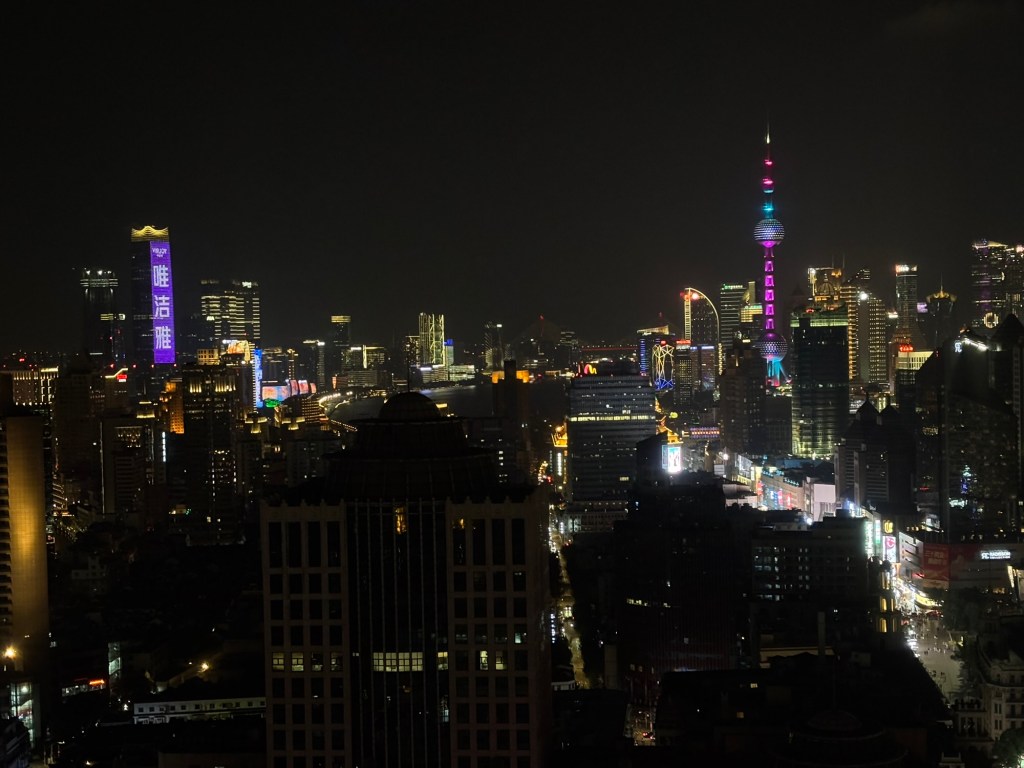
Walking out of the People’s Square metro station to come face first with the huge skyscrapers around it was quite an experience! Our hotel is one of them, the Radisson New World, which has a rotating restaurant in the last floors. Very retro-futuristic. We went there for dinner and the prices feel outrageous after traveling through China for ten days, but I still don’t know if it’s just Shanghai being expensive or the restaurant itself being expensive even for Shanghai standards. Anyway, at eight thirty we couldn’t be bothered to head outside and the view of the Pudong skyline is nothing short of spectacular, so it was worth the splurge.
So all that’s left is to get a good night’s sleep and then begin to explore Shanghai!


