The first thing I learned today is that Dublin is absolutely overrun by Spaniards. Everyone on the street is Spanish. Most of the other guests at the hotel are Spanish. The waitresses at the hotel are all Spanish. Even I’m Spanish! What’s going on?!
Anyway, for today’s cold but clear-skied morning, my first mission was to visit Trinity College, specifically its world-famous Long Room library. The guidebooks warn of its massive affluence and long queues and pushing crowds, but when I arrived at 9:45 on a February morning there were only a handful of people in line. Once again I had to buy my ticket on my phone (for a steep €20, too), although I would later find out it’s possible to buy tickets physically if you go through the main entrance.

Those twenty bucks are for what’s called “the Book of Kells experience”, which is just a fancy name for charging for entrance to the library. First you’re led into a room with a few exhibits explaining the historical significance of the library’s most treasured piece, the aforementioned Book of Kells, an illuminated manuscript from the year 800 AD with intricate Celtic illustrations of Christian gospel.
After the visits you can view the book itself, which is held inside a glass box in an otherwise bare black room. Obviously it is far too precious of an artifact to be presented in any other way, but it does make the experience somewhat underwhelming: you look at the two faded pages the book is open to, and then leave. Maybe they could have made a gallery with reproductions of the other pages to add more to the visit?
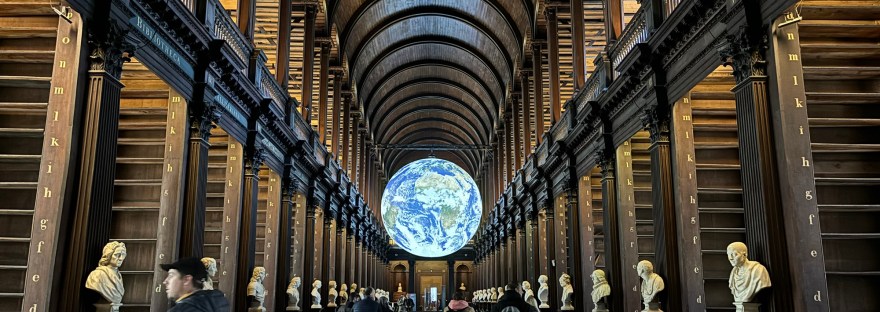
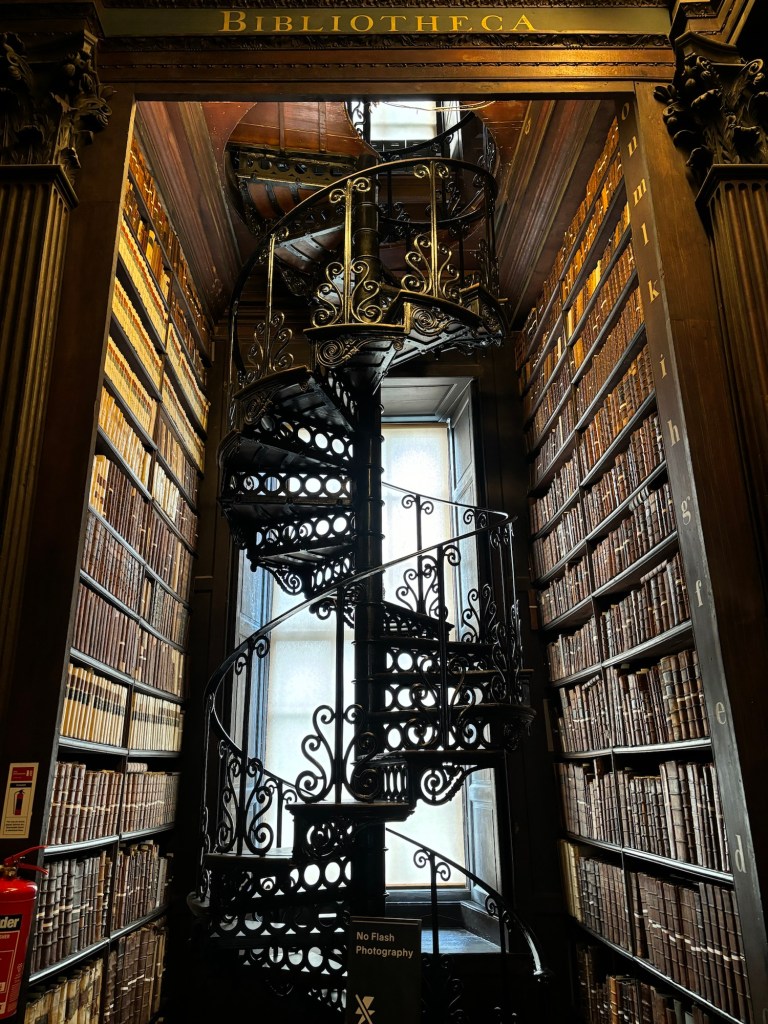
Anyway, from there I went upstairs to find the Long Room, the iconic 18th century library that you have no doubt seen in pictures or Instagram reels countless times. It is stunning in person, just gorgeous to look at, although today I found it almost completely empty of books (turns out they have taken them out for preservation and restoration) and with a rather incongruous floating sphere representing the Earth rotating in the middle (an art installation that I presume has been installed to make up for or distract from the absence of the collection).
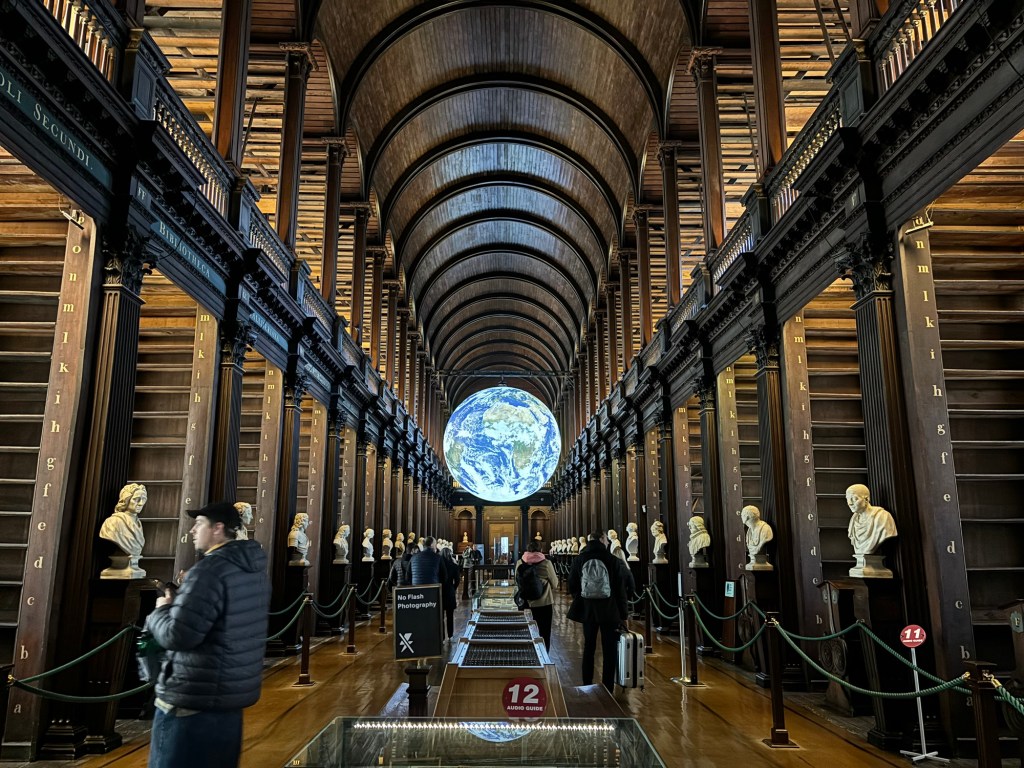
Still, the building itself is the main attraction, and remains beautiful to look at. There are busts of notable writers and other historical figures all along the way; interestingly, to address the fact that all busts were dedicated to men, the college commissioned four additional busts to commemorate illustrious women, including Ada Lovelace (a mathematician considered the pioneer of computer programming, daughter to Lord Byron) and Mary Wollstonecraft (a feminist trailblazer, mother of writer Mary Shelley).
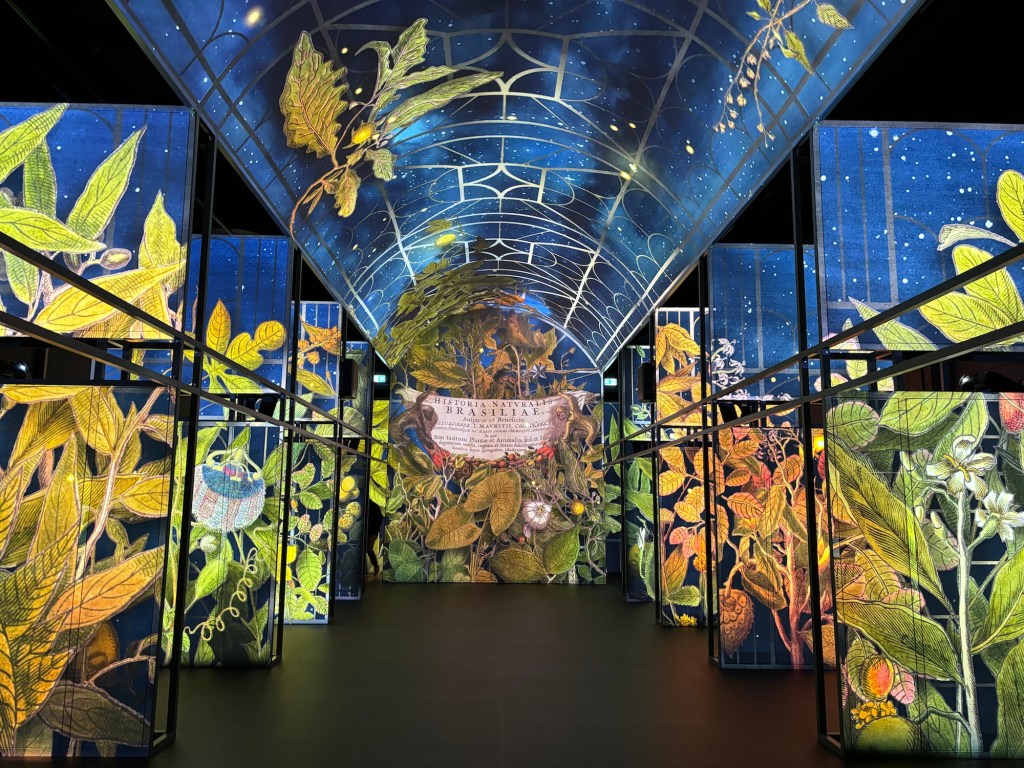
After soaking in the atmosphere, imbued with centuries of learning, I finally made my way out to the next stop in the “experience”, a big red metallic warehouse that holds video and light exhibits related to the book and the library. This one felt uninspired to me, like they just made this as a way of justifying fleecing you for the entrance ticket. You might as well skip it.
Done with Trinity College, I walked down to St Stephen’s Green, where seagulls competed with ducks for crumbs of bread in the pond, and then left to my next goal, the Chester Beatty Library, a small but wonderful museum of literature. Turns out it’s inside of Dublin Castle, and the signage is a bit confusing as to whether you need to buy a ticket or not, but all I can say is visiting the library is free of charge (I didn’t venture beyond).

The Lonely Planet guide really hypes up the wealth of priceless historical manuscripts from all over the world that they have in their collection, but that still didn’t prepare me for the wealth of priceless historical manuscripts from all over the world that they have in their collection. They have Chinese and Japanese scrolls (including 17th century illustrated copies of the 10th century story The Tale of Genji, considered the world’s first novel), folded compilations of the Ramayana, several antique Qurans from Persia, Greek letters from Egypt… It’s hard to overstate how much history is contained in just one small floor of this building.

The second floor also displays literary exhibits but it is dedicated to sacred texts from various world religions, including Christianity, Islam, Buddhism, or Hinduism, and smaller explanatory sections dedicated to specific disciplines like Sufism, Sikhism, Daoism, Zen… I liked that the accompanying texts didn’t just explain the works on display but also gave concise explanations of each religion and its core practices and beliefs.
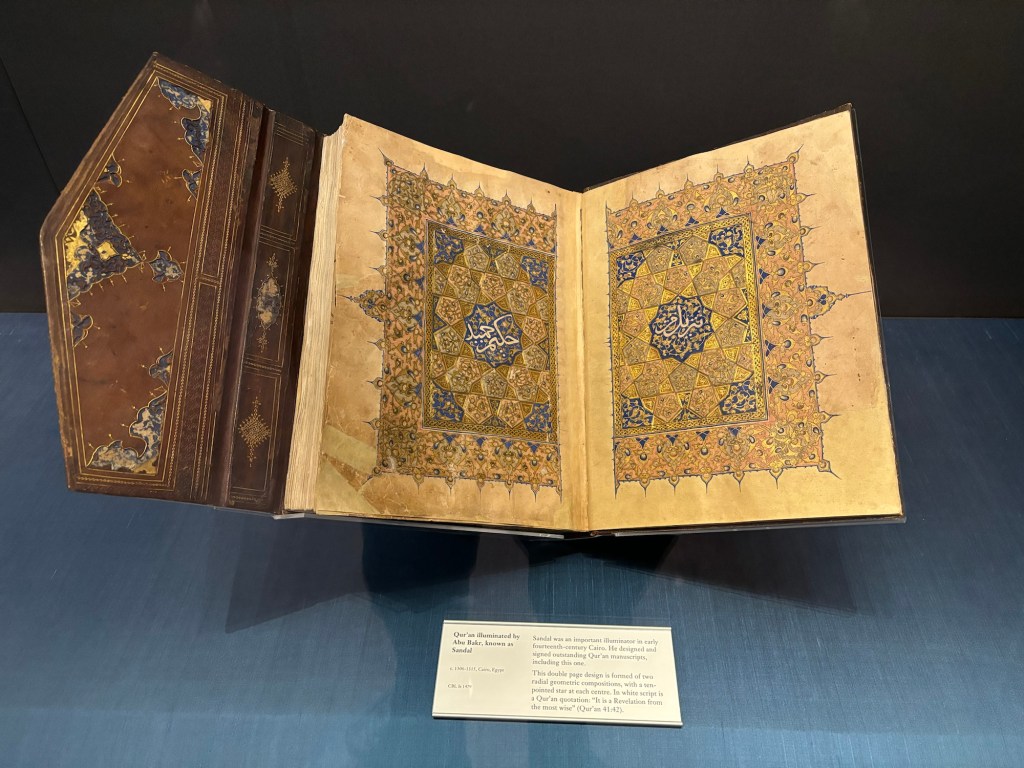
I loved this visit! It is small in size but I probably spent as long here as I did in the National Gallery, because there were so many interesting or eye-catching items to look at. I did get tired, too, so when I left I looked for somewhere to eat, and ended up having Thai curry in a place recommended by the guidebook.
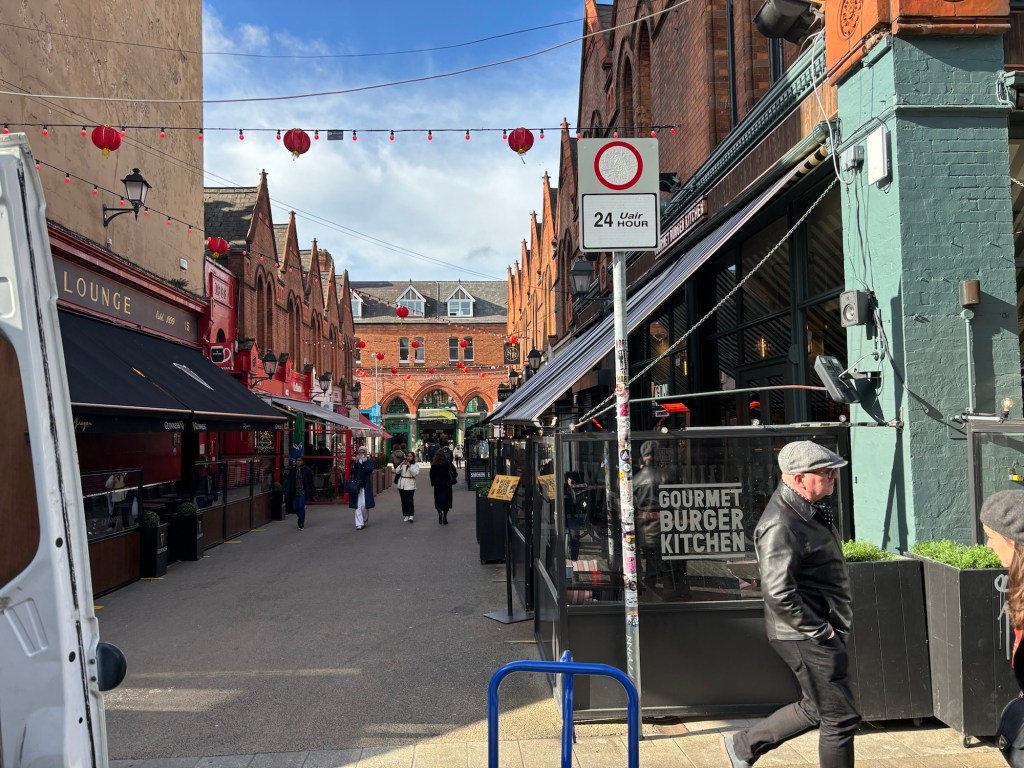
I made my way through the center, passing two separate guided groups of Spanish tourists, stopping at a few cute shops along the way before crashing at the hotel for a rest. Phew!
My plan for the afternoon was to check out the Hugh Lane Gallery, stop somewhere for a pick-me-up, then go to the nearby Gate Theatre to see Hugo Weaving in The President. It was all perfectly planned! (This is foreshadowing)
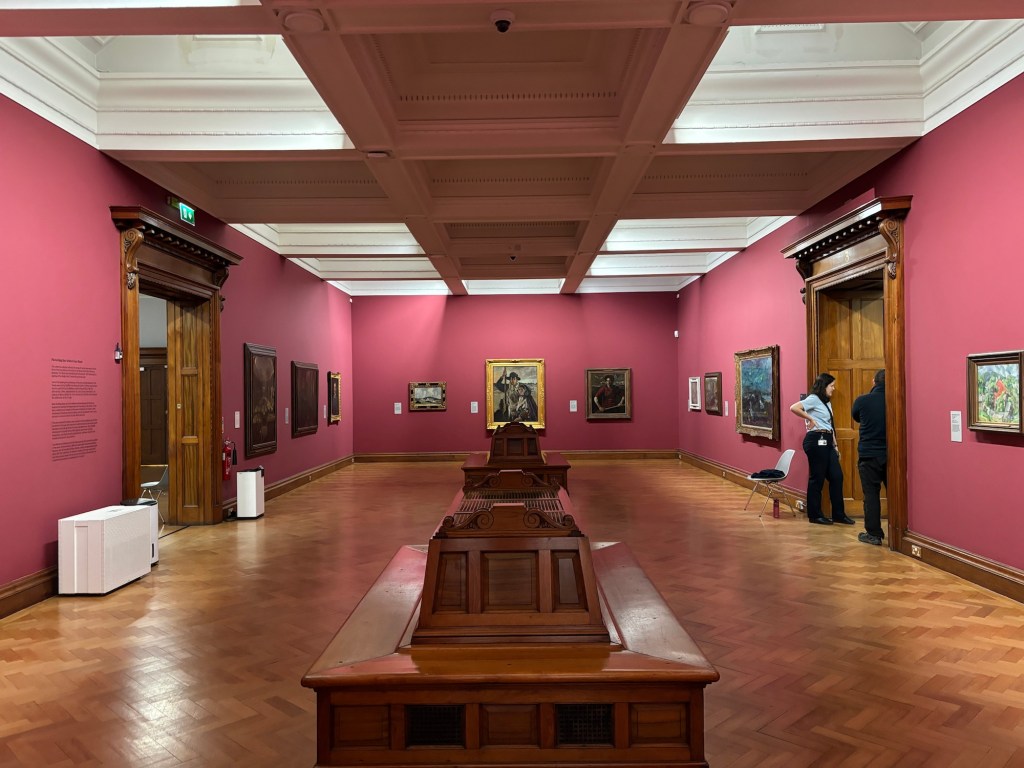
The Hugh Lane Gallery, a small modern art museum north of the river, was a mixed bag. Turns out they are between exhibits right now, so half of the rooms were completely empty. The ones that weren’t had a permanent collection with several Impressionist masters. On the upside, they were having a private concert somewhere in the building, so beautiful piano music reverberated through the gallery as I walked. The museum’s most remarkable room is Francis Bacon’s studio: they took Francis Bacon’s actual working studio in London, from which he painted for over thirty years, and brought it over here, painstakingly recreating every detail of the unbridled chaos it was left in. Next to it is a room with several paintings that Bacon left unfinished, including a portrait of his lover, George Dyer.
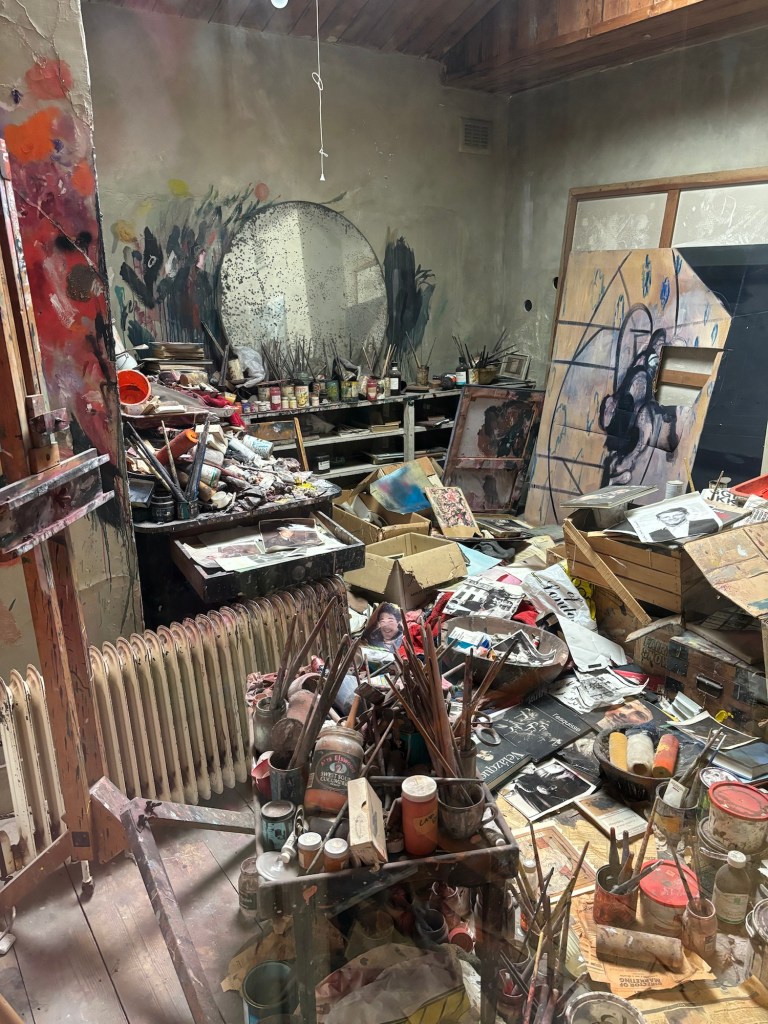
Not sure that the Hugh Lane Gallery as a whole is worth the visit -although it is free too, so maybe look online to make sure there’s a temporary exhibition?
I walked back towards the river to have tea and cake, at around five, and that’s when I saw I had an email from 2PM saying that today’s performance of The President was canceled. In denial, I made my way over to the Gate Theater, where a girl at the box office who couldn’t have been nicer apologized and confirmed that the show was indeed well and truly canceled due to illness “of someone irreplaceable” (my understanding is that the play only has two characters, so, you know, either it was him or it was her!). At least I was able to get my refund right then and there.
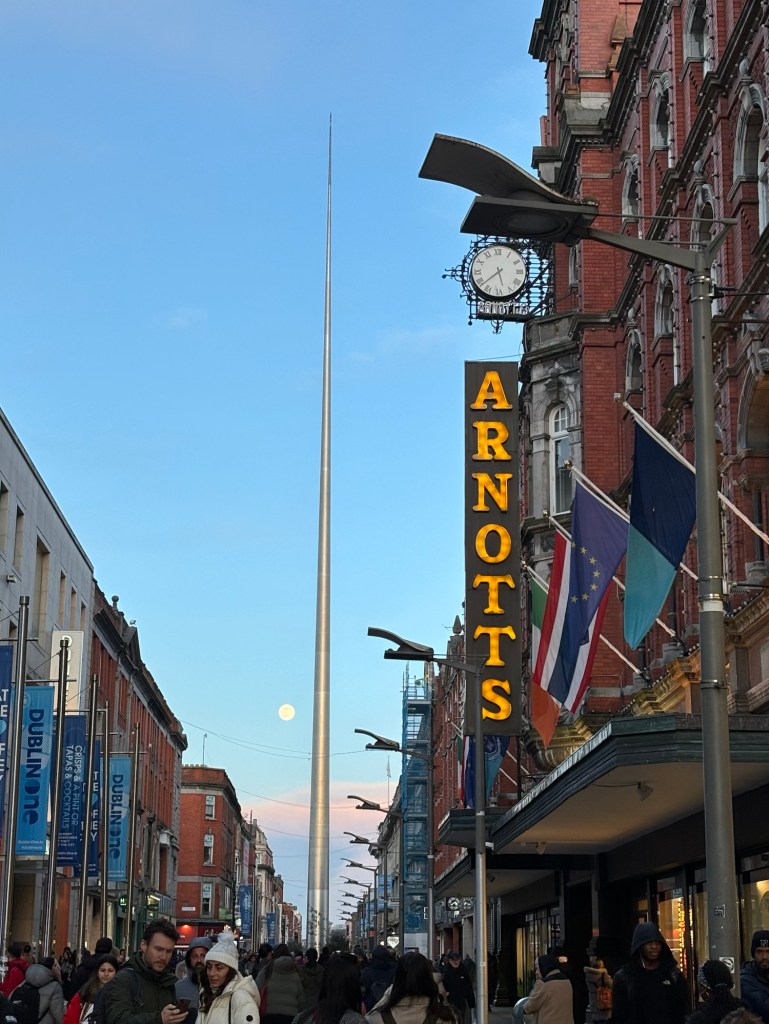
Because planning is what I do, I already had a contingency plan: I went to the nearby Savoy to catch a movie instead! I saw All of Us Strangers, which just came out today in Spain, and which here is nearing the end of its theatrical run I think. It was beautiful but so profoundly sad -the entire theater was audibly sobbing and sniffling during the most emotional scenes.
After the movie, I bought a sandwich for dinner and rushed back to the hotel. As I power walked across the bridge, a drunk Irishman saw my face and yelled “It’s cold, innit!” Yes it was!
And that’s it for a very tiring but very cultural Friday in Dublin!

 This Is A Lake